For rolling steel vs sectional commercial doors, start with space and daily use. Rolling doors coil above the opening and keep ceiling track space clear. Sectional doors offer insulated panels and window options. Both need proper clearance. Joe's Garage Doors installs both on Long Island and offers free quotes.
By Joe's Garage Doors
Last updated: October 8, 2026
Choosing rolling steel vs sectional commercial doors starts with how your business uses the opening. A busy service bay may need insulation and daylight. A crowded warehouse may need to keep the ceiling clear for pipes or storage.
Rolling steel can solve some space problems, but its coil and housing still need room. Sectional doors can suit heated shops, but the tracks must fit the building. Neither type wins every job, and the door name alone does not tell you its strength or speed.
At Joe's Garage Doors, we've been in business since 2004. We're locally owned and bring more than 20 years of experience to commercial garage door installation on Long Island.
This guide compares the designs, matches doors to business needs, and gives you a quick checklist. You'll also learn what a clear quote should include.
What is the difference between rolling steel and sectional commercial doors?
The main difference is where the open door sits: coiled near the opening or on tracks.
- Rolling steel doors: Narrow steel sections link together and coil above the opening. They move in side guides without ceiling tracks.
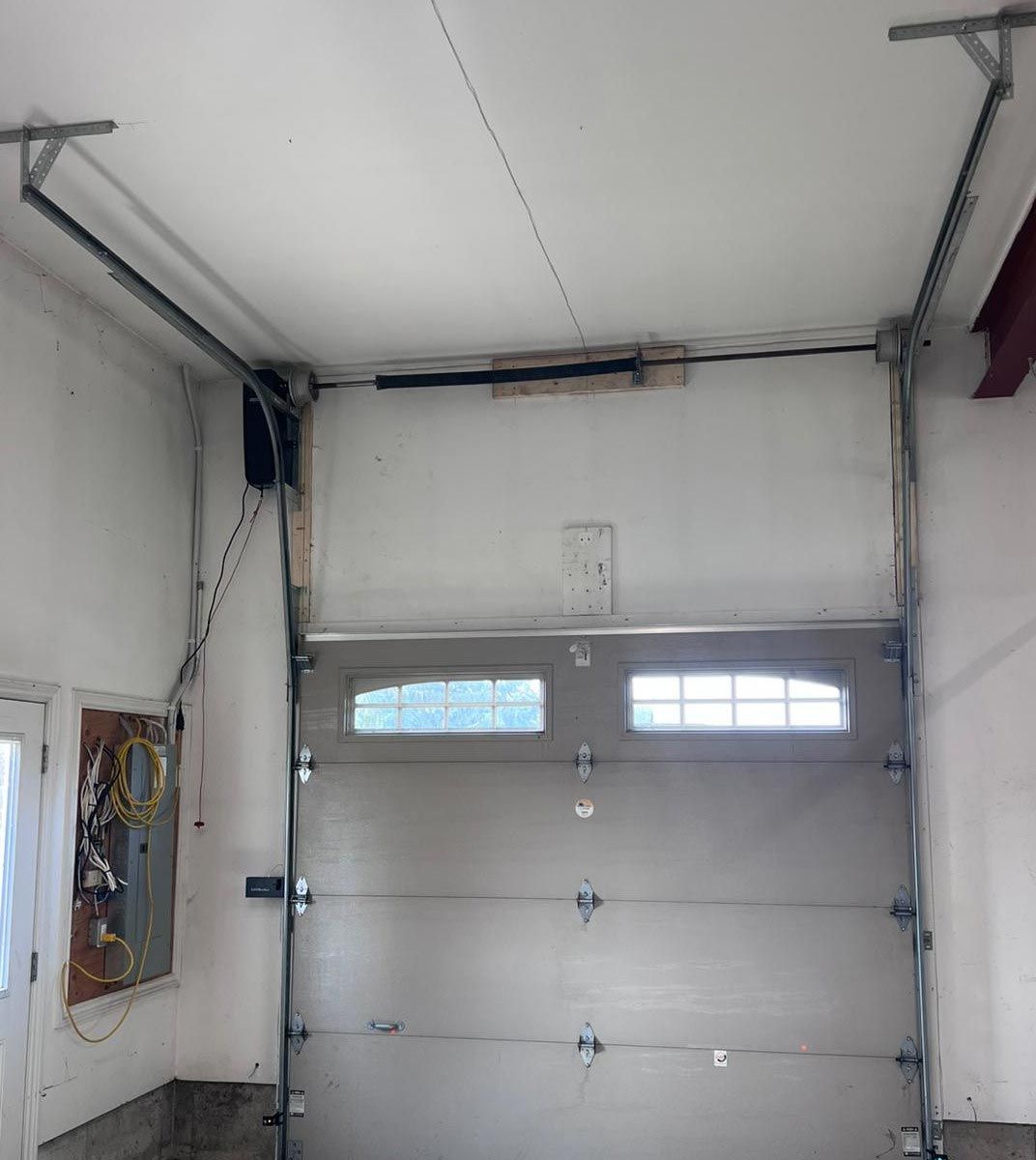
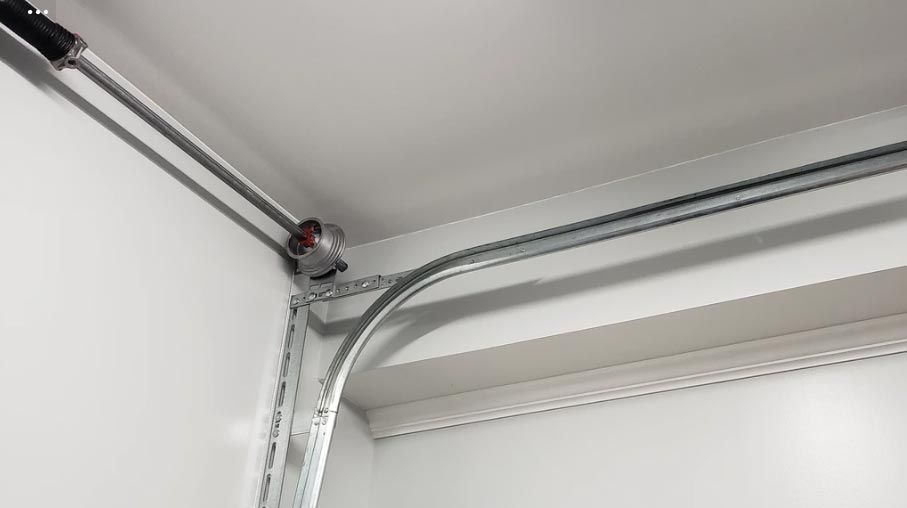
- Commercial sectional doors: Wide, horizontal panels join with hinges. Standard tracks curve upward and carry the open door back under the ceiling.
People often call a rolling steel door a roll-up door, but that name can also mean a rolling sheet door. Commercial sectional garage doors and sectional overhead doors generally mean the same panel-and-track design.
Rolling steel vs sectional commercial doors: side-by-side comparison
Compare the exact models, space needs, and daily use. A powered operator is the motor unit that moves the door.
| Factor | Rolling steel doors | Commercial sectional doors |
|---|---|---|
| How it opens | Coils above the opening | Hinged panels move along tracks |
| Space needed | Room for coil housing, side guides, and any operator | Room for tracks, springs, and any operator; standard tracks need ceiling space |
| Insulation | Insulated models exist | Insulated panel models exist |
| Security | Depends on design, locks, and mounting | Depends on design, locks, and mounting |
| Speed and daily traffic | Check model and operator limits | Check model and operator limits |
| Appearance and windows | Finishes and visibility options vary | Panel, color, and window options vary |
| Fire-rated options | Separate listed fire-door models exist | Standard models are not fire-rated barriers |
| Care | Inspect guides, seals, and operating system | Inspect hinges, rollers, seals, and operating system |
| Best fit | Openings where ceiling tracks would interfere | Bays where panel options and track space suit the work |
- Space: Commercial rolling steel doors keep the area behind the opening clear of ceiling tracks. Still, measure the housing and operator space; tight headroom does not ensure a fit.
- Insulation: Compare whole-door heat loss and air leakage. Do not judge either type only by the insulation inside one section.
DASMA's rolling-door guidance explains space needs. Have the installer check the model's drawings.
Which commercial door fits your Long Island business?
Match the door to your work and space. Some openings need a shutter, counter door, or storage door.
| Business type | Door to consider | Why |
|---|---|---|
| Warehouse or loading dock | Rolling or sectional | Balance ceiling space, daily use, and comfort |
| Self-storage facility | Dedicated self-storage door | Designed for individual storage-unit openings |
| Auto shop or service bay | Insulated sectional | Panel and window options can suit staffed bays |
| Retail storefront after hours | Security shutters | A separate barrier for the storefront |
| Restaurant or pharmacy counter | Counter door | Compact closure for a service opening |
| Heated or cooled space | Commercial insulated sectional doors or an insulated rolling steel door | Compare whole-door performance and seals |
| Fire-rated opening | Listed fire-door system suited to the opening | Standard security doors do not meet this need |
| Street-facing office or industrial building | Sectional steel or a suitable finished rolling model | Match the building's look and available space |
Both designs need a site check before ordering.
What matters most for commercial doors on Long Island?
Coastal exposure, comfort, and lost work time affect the choice.
- Salt air: Ask which finish and care plan suit your site's exposure to salt and moisture.
- Wind and storms: Have the required wind load checked for the building and opening. Steel alone does not prove storm resistance.
- Heating and cooling: Compare seals and tested whole-door ratings. Also consider how long the door stays open during work.
- Building and fire rules: Check with your building department or fire marshal about the opening's requirements.
- Downtime: Plan around deliveries and staff access. Ask how the opening will be secured if work runs past closing.
DASMA's insulation guide explains the ratings. A panel R-value describes insulation in one section. A tested whole-door U-factor measures heat flow through the full door; a lower number means less heat flow.
What should you check in five minutes before calling?
Gather rough measurements and notes about how you use the door. Have the installer confirm them before ordering.
- Opening size: Note the clear width and height from a safe position.
- Headroom: Note the space above the opening and any pipes or beams.
- Side room: Check both sides for walls, shelves, switches, or other obstacles.
- Ceiling space: Note anything behind the opening that could block tracks.
- Daily use: Estimate full open-and-close cycles per day and during your busiest hour.
- Comfort: Say whether you heat or cool the space and need daylight.
- Security and fire needs: List after-hours concerns and any known fire-rating requirement.
- Controls and power: Explain who will use the door and ask about safe operation during a blackout.
Joe's Garage Doors offers free quotes to help match the door and operator to your opening.
What should your commercial-door quote include?
A useful quote identifies the door and the work included. Compare the same details before comparing totals.
| Detail | What to ask |
|---|---|
| Door and space | Which model fits, and what clearance does it need? |
| Daily use | Can the door and operator handle our busiest periods? |
| Comfort and security | Which seals, insulation, locks, and window options are included? |
| Fire protection | If required, which listed system meets this opening's needs? |
| Site work | Are removal, disposal, electrical work, and frame changes included? |
| Schedule and warranty | What is the expected downtime, and what does the written warranty cover? |
Confirm track layout for sectional doors, or housing and guides for commercial rolling steel doors. Ask how hidden damage could affect the price.
How much do commercial rolling steel and sectional doors cost?
The cost depends on the opening, door model, and work needed at the site. A site check gives a better answer than a general price range.
Rolling steel door prices vary with size, steel construction, insulation, finish, and operator. Sectional quotes also vary with panel design, windows, tracks, and insulation. A listed fire-door system adds its own requirements.
Removal, frame damage, wiring, and access for the crew can change either quote. Joe's Garage Doors provides upfront pricing before work begins. Ask for the full scope in writing, including any excluded work, so you can compare the installed cost fairly.
What should you expect from installation and ongoing care?
Trained installers should fit and test the full system. Follow care guides for the door and any powered operator. Schedule checks based on daily use.
Joe's technicians are certified, licensed, and insured. Sectional systems use tracks and hinges; rolling systems use guides and coil supports.
Operators must suit the load and daily use. Our stocked trucks support garage door repair on Long Island.
Rolling steel fire doors need inspections and tests by a trained fire-door technician. Keep the records and confirm local requirements; DASMA's fire-door guidance explains these duties.
Where does Joe's install commercial doors?
Joe's Garage Doors serves businesses across Long Island, including East Northport, Smithtown, Huntington, Islip, and Bay Shore. We install rolling steel, sectional steel, security shutters, self-storage doors, fire-rated doors, and counter doors.
We're open 24/7, with emergency service available. Call (631) 320-5465 for a free quote and help choosing a door that fits your building. Tell us about delivery hours and staff access so we can discuss the installation plan.
Frequently asked questions
Space and the exact model decide the fit.
What is the difference between rolling steel and sectional commercial doors?
Rolling steel doors coil above the opening, while commercial sectional doors move along tracks. A roll-up door needs housing and guide space. A standard sectional setup needs clear space behind the opening for the door and its tracks.
Which is more secure, rolling steel doors or sectional doors?
Neither type is always more secure; strength depends on the model, locks, guides or tracks, and mounting. Compare the complete system against your site's risks. A strong door also needs suitable supports and a clear plan for controlling access.
Are rolling steel doors insulated?
Some models are insulated, but others are not. Compare the exact model with an insulated sectional option using whole-door ratings and air-leakage data where available. Seals and installation quality matter too, especially when the space is heated or cooled.
Which commercial door is better for a warehouse or loading dock?
Either type may fit. Rolling doors can help keep ceiling track space clear, while sectional panels may suit comfort and daylight needs. Check truck clearance, daily openings, operator limits, and available space before deciding which design suits the dock.
Can rolling steel doors be fire rated?
Yes, but only models tested and listed for fire protection. Steel alone does not make a door fire-rated. Confirm that the full door system suits the opening, and check installation and inspection needs with your building or fire authority.
How much does a commercial rolling steel or sectional door cost?
There is no single price for either type. Size, insulation, operator, site work, and any fire-rating requirement affect the total. Get a site-based quote that states what is included, what is excluded, and how changes will be handled.
Does Joe's Garage Doors install both door types on Long Island?
Yes. Joe's Garage Doors installs rolling steel and sectional steel doors, along with shutters, self-storage doors, fire-rated doors, and counter doors. Call for a free quote so we can discuss the opening, daily use, and your business's needs.
Ready to choose your commercial door?
Joe's Garage Doors can help you compare rolling steel vs sectional commercial doors for your building. Call (631) 320-5465 or request a free quote.
We're at 39 Melrose Ave, East Northport, NY 11731, and open 24/7. Share your space, comfort, and security needs to get started.